
How do porta potties work?
The setup is simpler than most people expect. There's a holding tank underneath a molded seat, a vent stack that pulls odor up and out, and a small chamber of blue chemical liquid that breaks down waste and keeps things from smelling like a locker room. No flush, no water tank, no pipes. A standard unit runs about 44 by 48 inches on the ground and stands roughly 92 inches tall, so it fits in tight spots on a construction site services job without eating up staging area. When Beaumont Porta Pros delivers a standard porta potty rental, the unit shows up ready to use. Service techs come back on a set day, pump the tank, hose the interior, and refill the chemical. That interval matters more than people think: ANSI/PSAI Z4.3 sets a baseline of one service visit per week for up to 10 users across a 40 hour week, which is why job sites with more workers need either more units or tighter service intervals. If you're trying to figure out unit count for a Beaumont crew, the how many porta potties do I need guide walks through the math.
How does a portable sink work?
A portable sink runs on a self-contained fresh water tank, a foot pump or hand crank, and a separate gray water tank that catches the runoff. No plumbing, no drain line. You fill the fresh tank, and the pump pushes water through the faucet; used water drops into the gray tank below, which gets emptied at the same time the unit is serviced. This matters more than it sounds like it should. Under 29 CFR 1910.141(d)(2), washing facilities need soap and towels or a hand-drying device, and hand sanitizer doesn't satisfy that requirement on its own. That's why Beaumont Porta Pros pairs handwashing station rental units with soap dispensers and paper towel rolls, not just gel. For food trucks, catering setups, or any Beaumont event needing a real sink instead of a squeeze bottle, the portable sink rental page has the specifics. Crews doing paint or coatings work should also know that OSHA 1926.51(f)(1) requires washing facilities specifically where paints, coatings, herbicides or insecticides are being applied, since those chemicals need soap and water, not sanitizer.
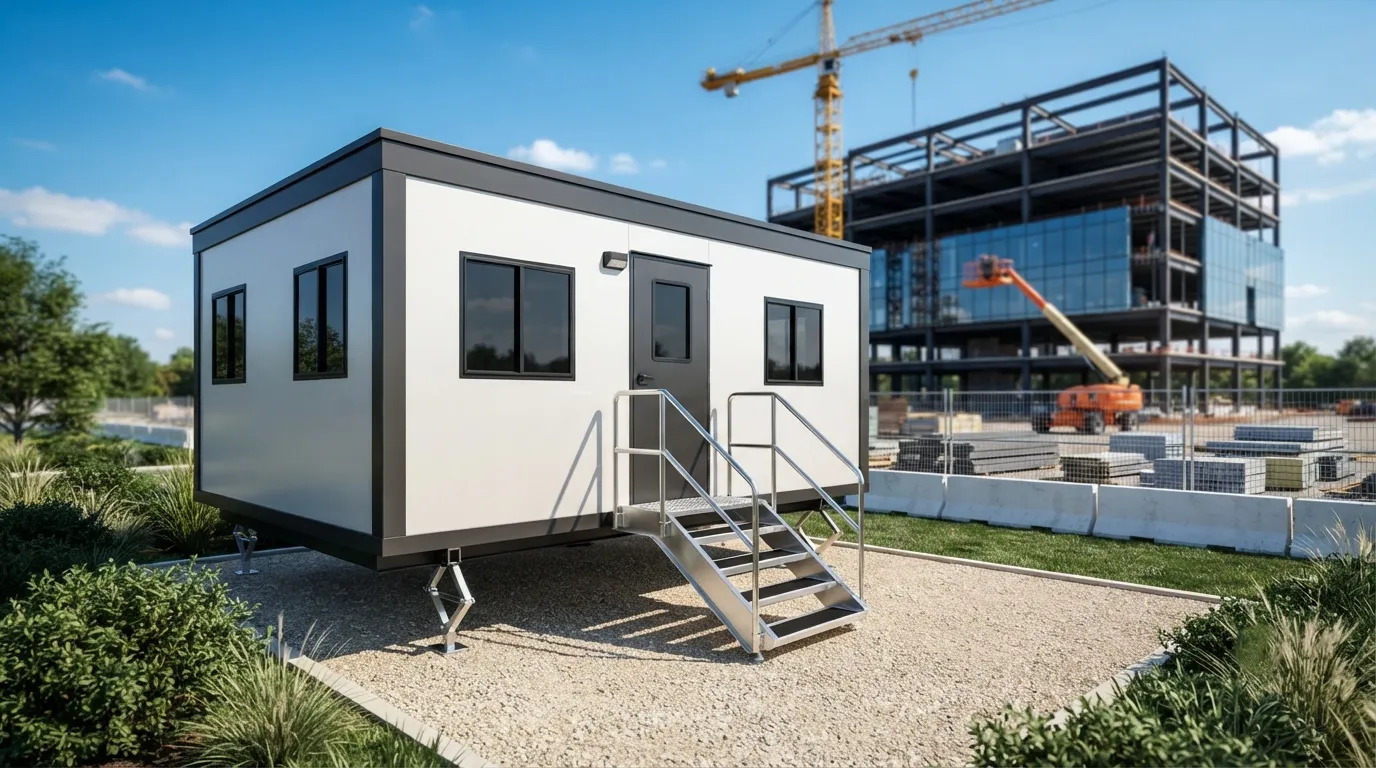
Do flushable porta potties work differently?
Yes. A deluxe flushable unit uses a small onboard fresh water tank and a hand or foot pump to push water through the bowl, which then drains into a separate holding tank, similar to an RV toilet. It's a real flush, not a chemical soak, and it holds odor down noticeably better over a multi-day rental. These units cost more than a standard model but make sense for weddings, VIP areas, or any Beaumont event where guests expect something closer to a real bathroom. Check the deluxe flushable porta potty page for what's included. For accessible units, ADA Standards section 213.2 requires that at least 5 percent of clustered single-user portable toilets be accessible, with a minimum of one, and those units need a 60 inch turning circle per ADA Standards 304.3.1 plus a 32 inch clear door opening under 404.2.3. Beaumont Porta Pros stocks these separately; see ADA accessible porta potty for layout requirements on a mixed-unit job site.
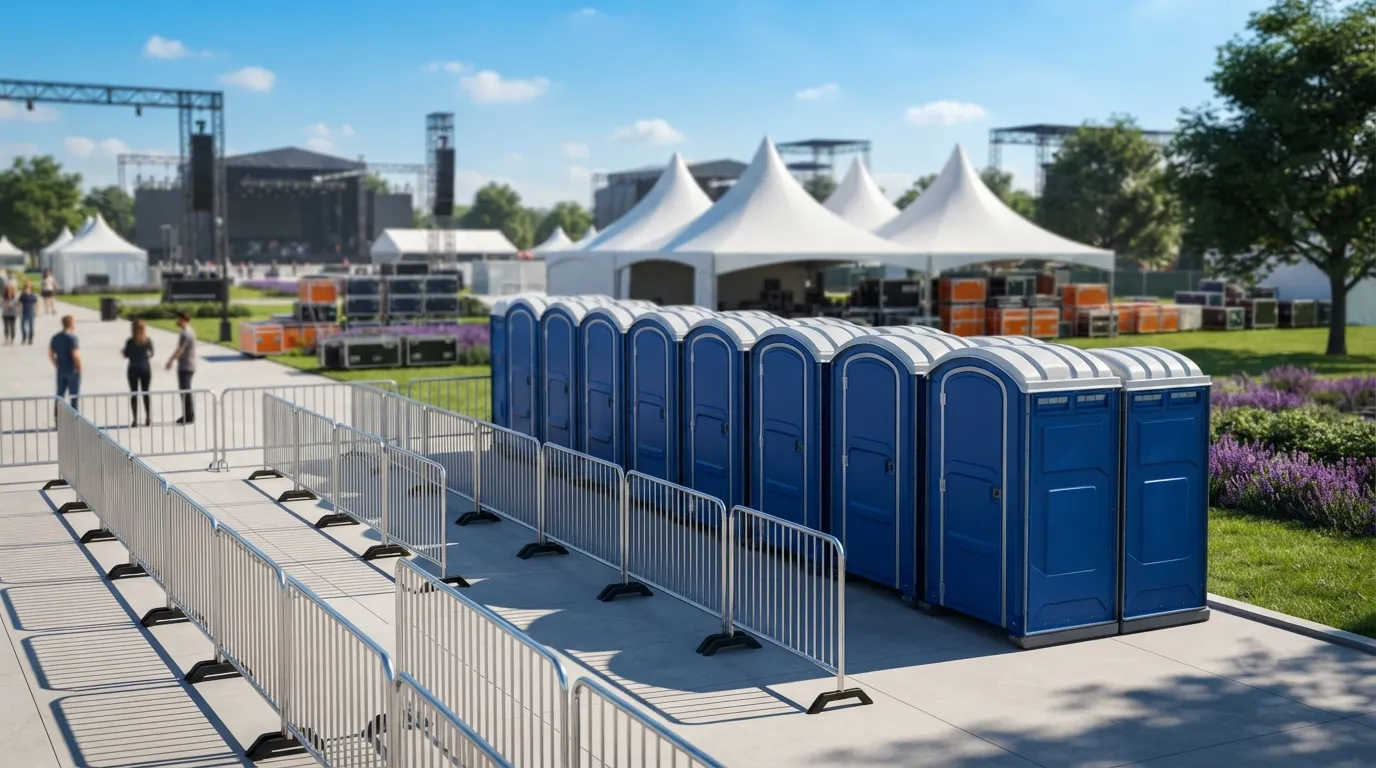
What chemicals go in a porta potty?
The blue liquid in the tank is a deodorizing biocide, usually a quaternary ammonium or formaldehyde-based blend, that breaks down waste and masks odor between service visits. It's not something you buy at a hardware store and dump in yourself. Beaumont Porta Pros techs handle the mix and volume based on tank size and usage rate, since too little chemical means smell complaints by day three and too much can gum up the tank. This is different from septic tank cleaning chemicals, which target a home's underground tank rather than a portable unit; a typical residential septic tank gets pumped every 3 to 5 years depending on tank size and household size, a schedule covered on the how often to pump a septic tank page. If a Beaumont site also needs septic work alongside portable units, the septic pumping service crew handles both under one call, and septic tank warning signs covers what backups look like before they become emergencies.
| unit type | day rate | week rate | month rate |
|---|---|---|---|
| standard | 100 to 350 | 130 to 500 | 125 to 325 |
| ada | 200 to 400 | 120 to 240 | not offered |
| deluxe | 85 to 1200 | 150 to 290 | not offered |
Pricing depends on unit type, rental length, and how far the delivery truck has to travel; Beaumont Porta Pros quotes deliveries out to Lumberton, 13.7 miles north, and Nederland, 14.5 miles southeast, the same way it quotes in-city jobs. Full delivery fee ranges live on the porta potty rental cost page.
Why does a construction worker have to walk so far to a porta potty?
OSHA 1926.51(c) sets toilet ratios by crew size, not distance, but most Beaumont contractors place units near the main work zone anyway to cut walk time. The porta potty placement guide covers where units should sit relative to work areas and site entrances.
How often does Beaumont Porta Pros clean or service a unit?
The baseline is one visit per week for light use, per ANSI/PSAI Z4.3, but busier sites get serviced more often. See how often are porta potties cleaned for how usage changes that schedule.
Do camping porta potties work the same way as job site units?
Mostly yes; a camping unit uses the same tank-and-chemical setup, just often smaller and self-contained for towing. Check camping porta potty for size and rental length options around Beaumont.
Is a portable toilet legal to place anywhere on a property?
Placement in the public right of way needs confirming with the city of Beaumont before delivery. For anything else, the porta potty permit requirements page walks through what to check first.
Can a flushable unit run out of water mid-event?
Yes, if usage outpaces the onboard tank size, which is why multi-day events often need a mid-rental refill. The event restroom rental page covers sizing units correctly for guest counts.
Next step
Get a delivery date
Tell us the address, the dates and the headcount. We size the order and confirm the route.